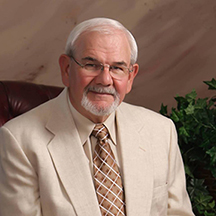
Rev. Don Campbell
Deuteronomy 1-2
THOUGHT FOR TODAY, March 11, 2019
“JUDGING RIGHTEOUS JUDGMENT”
“Deuteronomy” means “second law,” but it is not an additional law, but a retelling by Moses of the events recorded in Exodus. It is a set of three motivational sermons, preached by Moses to all of Israel shortly before his death encouraging them to trust and obey God because of not only his power to keep his promises but his faithfulness to do so.
Moses recounted the appointment of judges to assist him in overseeing the people. He had charged these judges: “Hear the cases between your brothers, and judge righteously between a man and his brother or the alien who is with him. You shall not be partial in judgment. You shall hear the small and the great alike. You shall not be intimidated by anyone, for the judgment is God’s. And the case that is too hard for you, you shall bring to me, and I will hear it” (Deuteronomy 1:16-17).
The judges were to judge righteously and impartiality. Deference was not given to one’s citizenship status or one’s wealth and position. America’s judges need to take a page from Moses, but that is not our focus for today. When believers are in conflict, Jesus tells them to first go to the offender and tell them their fault. If this does not bring about reconciliation, they are to take two or three others that every word may be established. If that fails, they are to take it to the entire church (Matthew 18:15-20). Paul rebuked the Corinthians for going to law before unbelievers, saying, “When one of you has a grievance against another, does he dare go to law before the unrighteous instead of the saints? Or do you not know that the saints will judge the world? And if the world is to be judged by you, are you incompetent to try trivial cases?” (1 Corinthians 6:1-2). Jesus said that for judgment to be righteous, it must not be based on superficial appearance (John 7:24).
How do we judge righteous judgment? First, we need to be sure that we have a responsibility in the matter. Peter warns us about meddling in other people’s business (1 Peter 4:15). He puts meddling in other people’s matters in the same category as murder and theft.
Assuming we have a responsibility to judge, then our judgment should be the same as that required of judges by Moses. I once knew an elder who felt obligated to pass judgment on the validity of the marriage of every person in the congregation, including anyone seeking baptism. His son became involved in an adulterous affair, and he announced that he had been rethinking his position on marriage, divorce, and remarriage, and had decided that it was okay for his son, after his wife had divorced him, to marry the woman with whom he had been committing adultery. Nowhere in the New Testament does God lay on a preacher or an eldership the responsibility to pass judgment on everyone else’s marriage. Yes, Paul did say that the church at Corinth should judge the man who had his father’s wife and deliver him to Satan. However, this was not a matter of investigating every marriage in the church, but of dealing with an open and obvious transgression.
There are some things which must be left to eternity. When preachers go beyond preaching and elders go beyond shepherding the flock and start acting like FBI agents, government prosecutors, and sitting judges, they have forfeited the right to be called servants of God.
CONNECTIONS 1 Timothy 5:24 – 1 Corinthians 4:5 – John 7:24
1. Paul said, “The sins of some people are conspicuous, going before them to judgment, but the sins of others appear later” (1 Timothy 5:24). He also said, “Therefore do not pronounce judgment before the time, before the Lord comes, who will bring to light the things now hidden in darkness and will disclose the purposes of the heart. Then each one will receive his commendation from God” (1 Corinthians 4:5). How would these relate to Jesus’ words in John 7:24.
2. If, in our crusade to judge everyone else, we fail to judge ourselves, who will judge us? (1 Corinthians 11:31).
