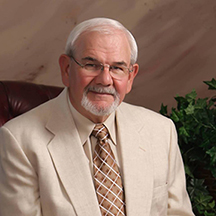
Rev. Don Campbell
Psalms 1-2; 15; 22-24; 47; 68
THOUGHT FOR TODAY, May 5, 2019
“SHARING THE THRONE WITH GOD AND CHRIST
As I studied today’s readings looking for a unifying theme, these words came to mind: “Whoever would draw near to God must believe that he exists and that he rewards those who seek him” (Hebrews 11:6; Psa 1:1-2). As I read “The Lord said to me, ‘You are my Son; today I have begotten you,” if was reminded of his words: “Whoever believes in him is not condemned, but whoever does not believe is condemned already, because he has not believed in the name of the only Son of God” (John 3:18).
Psalm 22 carries us to that awful scene of the cross when Jesus cried out, “My God, my God, why have you forsaken me?” (Psalm 22:1; Matthew 27:46). To get the complete picture we must also read the following: “In the days of his flesh, Jesus offered up prayers and supplications, with loud cries and tears, to him who was able to save him from death, and he was heard because of his reverence. Although he was a son, he learned obedience through what he suffered. And being made perfect, he became the source of eternal salvation to all who obey him” (Hebrews 5:7-9).
Psalm 23 is a song of serenity for those who know Jesus as Savior and Shepherd. “My sheep hear my voice, and I know them, and they follow me. I give them eternal life, and they will never perish, and no one will snatch them out of my hand” (John 10:27-28).
In Psalm 47, the words he is “King over all the earth” are found in verses 2 and 7. In verse 8 we read, “God reigns over the nations; God sits on his holy throne.” In Revelation 4:2 we see God seated on his throne with a scroll, which is prerecorded history, in his hand (5:1). Then we hear heaven’s mighty chorus singing, “Worthy are you to take the scroll and to open its seals, for you were slain, and by your blood you ransomed people for God from every tribe and language and people and nation” (5:9).
In Psalm 68, we read, “Blessed to the Lord who daily bears us up” (v.19).
Before exploring Psalms 15 and 24, let’s look at what Paul said about the reign of God and Christ and our participation in it: “But God, being rich in mercy, because of the great love with which he loved us, even when we were dead in our trespasses, made us alive together with Christ—by grace you have been saved—and raised us up with him and seated us with him in the heavenly places in Christ Jesus, so that in the coming ages he might show the immeasurable riches of his grace in kindness toward us in Christ Jesus. For by grace you have been saved through faith. And this is not your own doing; it is the gift of God, not a result of works, so that no one may boast. For we are his workmanship, created in Christ Jesus for good works, which God prepared beforehand, that we should walk in them” (Ephesians 2:4-9).
In Psalm 15, David asks, “O Lord, who shall sojourn in your tent? Who shall dwell on your holy hill?” (v.1). In Psalm 24, he asks again, “Who shall ascend the hill of the Lord? And who shall stand in the holy place?” (v.3). I would answer, “Those who walk in the good works for which they were created?” And what might these be? Let’s let David tell us.
Who may worship in your sanctuary, Lord?
Who may enter your presence on your holy hill?
Those who lead blameless lives and do what is right,
speaking the truth from sincere hearts.
Those who refuse to gossip
or harm their neighbors
or speak evil of their friends.
Those who despise flagrant sinners,
and honor the faithful followers of the Lord,
and keep their promises even when it hurts.
Those who lend money without charging interest,
and who cannot be bribed to lie about the innocent.
Such people will stand firm forever (Psalm 15, NLT).
Again, he asks and answers, “Who may climb the mountain of the Lord? Who may stand in his holy place? Only those whose hands and hearts are pure, who do not worship idols and never tell lies. They will receive the Lord’s blessing and have a right relationship with God their savior. Such people may seek you and worship in your presence, O God of Jacob” (Psalm 22:3-6).
CONNECTIONS
1. Paul said that God saves believers not because of good works we have done (Titus 3:4-7), but what does he tell us to devote ourselves to in verse 8? (“careful to maintain,” KJV, ASV).
2. What does John say about loving God and one another? (1 John 5:1-5)
