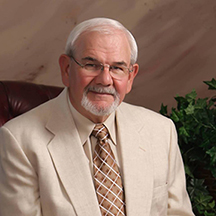
Rev. Don Campbell
Colossians 3:12-14
THOUGHT FOR TODAY, February 2, 2021
“FORGIVENESS or FORBEARANCE?”
Paul said, “Put on then, as God’s chosen ones, holy and beloved, compassionate hearts, kindness, humility, meekness, and patience, bearing with one another and, if one has a complaint against another, forgiving each other; as the Lord has forgiven you, so you also must forgive. And above all these put on love, which binds everything together in perfect harmony. (Colossians 3:12-14). Clearly, forbearance and forgiveness are not the same things.
If we confuse the two, we may find ourselves struggling with forgiveness when we should be practicing forbearance. The scholars make the following distinction: “The Greek word translated ‘forbearing’ means to hold back. It is the word used of God’s passing over sins before Christ (Romans 3:25). Trench says, “It is that forbearance or suspense of wrath, that truce with the sinner, which by no means implies that the wrath will not be executed at the last; nay, involves that it certainly will, unless he be found under new conditions of repentance and obedience.”
In legal terms forbearance means “The action of refraining from exercising a legal right, especially enforcing the payment of a debt.” The debt is still owed. If the debt is forgiven, it is no longer owed.
Lewis Smedes suggests that at least two things must be true for forgiveness to occur and trust to be rebuilt. First, the person asking for forgiveness must truly feel the pain that he or she has inflicted upon the other person. Second, he or she must be willing to empathize with his or her victim and needs to under¬stand why he or she committed the offense so that change can occur.
This is where forbearance comes into the picture: When we forbear, we put up with something for a season with a view to repentance. If the person whom we are forbearing repents, we forgive them. How long we forbear another as we wait for them to repent depends on us. We must weigh our options. If it were a matter of law, we could cease forbearing, go to court, and get a judgment against the debtor. In relationship matters, we cannot force repentance.
I suggest that one in this situation ask: 1) Is the relationship of such value that I can forbear in hope, all the while knowing repentance may never come? 2) What is the alternative to forbearance? If I “call in the note,” and sever the relationship, will I feel better in the short term and heal in the long term, or will I feel better in the short term, but worse in the long run? 3) Do I need to focus on the good of the relationship and forbear the bad.
Before the Alaskan Highway was paved, a sign warned motorists, “Choose your ruts wisely and don’t run out of gas because you will be in them the next 200 miles.” Whatever decision one makes, it should be made only after much thought and prayer. Once made, stick with the decision unless changes take place in the other person. When you feel as if you are running out of gas, share your burden with the Lord and someone whom you can trust.
Link to Youtube – Father Forgive Them
