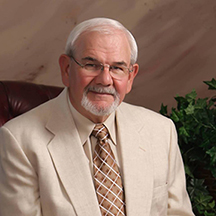
Rev. Don Campbell
DON’T NURTURE YOUR PAIN
All of us have been wronged, and all of us have wronged others: “If we say we have no sin, we deceive ourselves, and the truth is not in us. If we confess our sins, he is faithful and just to forgive us our sins and to cleanse us from all unrighteousness. If we say we have not sinned, we make him a liar, and his word is not in us” (1 John 1:8-10). John says, “If we say we have not sinned” (in the past), we make God a liar. He also said, “If we say we have no sin” (presently dwelling in us), we deceive ourselves.
The focus of this article, as suggested by the title, is how to deal with the pain of the past. If we nurture it by retelling it to all who will listen, we will keep on reliving it. Over the years, the pain will become worse, not better. Paul exhorts us, “Let all bitterness and wrath and anger and clamor and slander be put away from you, along with all malice. Be kind to one another, tenderhearted, forgiving one another, as God in Christ forgave you” (Eph 4:31-32). No, it is not easy. But if we want to heal the hurt, we will make every effort to put the exhortation into practice.
Life may have handed us lemons. We can suck on the lemons, or we can make lemonade. However, we can sometimes make the hurt worse instead of better because we poison the lemonade with resentment, which means “re-feel.” Dr. Paula Bloom said that resentment is like drinking poison – and expecting the other person to die. The only one who is made sick is the one harboring the resentment.
Resentment is not only toxic, but it is also intoxicating—giving us a sense of power. We can manipulate others or drive them away. In either case, we have maintained, at least on the surface, control.
On the other hand, resentment keeps us chained to the mummies of our minds: dead dreams, dead relationships, and even dead people. Forgiveness unlocks the cuffs and sets us free, but it does not free the guilty person.
Some have argued that Paul’s instructions to forgive one another are contingent upon the other person’s admission of guilt, leading to repentance. Does their lack of repentance decrease the toxin of our resentment?
It is true that God forgives only the penitent. But what would God have us do regarding the impenitent or regarding those unknown persons who may have sinned against us?
Jesus is our example. As he hung on the cross, he said, “Father, forgive them, for they do not know what they do” (Luke 23:34). Fifty days later, the Holy Spirit, through Peter, was still holding them accountable: “Him being delivered by the determined purpose and foreknowledge of God, you have taken by lawless hands, have crucified and put to death” (Acts 2:23). But at the very moment Jesus spoke, he was pouring out his soul as an offering for sin (Isa 53:10). Subjectively Jesus forgave them even as they committed the sin. Objectively, they were not freed from the guilt of their sin until they were cut to their hearts and brought to repentance.
Stephen, the first to be privileged to die for Christ, followed the Master’s example. As the rocks landed with heavy thuds on his body, he knelt and prayed, “Lord, do not charge them with this sin” (Acts 7:60). Subjectively, Stephen forgave them even as they sinned. Objectively, God forgave them when they came to faith and repentance. Through the love that God has poured into our hearts by the Holy Spirit, we can do the same thing that Jesus and Stephen did.
We are set free once we have forgiven the perpetrator, and the healing process can begin. But what if the perpetrator never comes to faith and repentance? The blood of Christ will never wash away those sins, and the guilty shall receive the full force of God’s wrath.
The cross teaches us just how hard it is for God to forgive. Every sin ever forgiven was forgiven because Christ “once at the end of the ages, has appeared to put away sin by the sacrifice of Himself” (Heb 9:26). James says, “the wrath of man does not produce the righteousness of God” (Jam 1:20). And Paul says, “Beloved, do not avenge yourselves, but rather give place to wrath; for it is written, ‘Vengeance is Mine, I will repay,’ says the Lord. Therefore ‘If your enemy is hungry, feed him; if he is thirsty, give him a drink; for in so doing you will heap coals of fire on his head’” (Rom 12:19-20).
Letting go of the bitterness, rage, resentment, hurt, or negative feelings we may have doesn’t free the guilty from the eternal or temporal consequences of their sins.
A woman could forgive someone who had raped her but still participate in his prosecution. He could come to faith and repentance and pass out of death into life but still be required to pay his temporal debt. Nor does letting go of our victimhood minimize our pain and make us an accomplice in our own victimization. If the perpetrator is ever objectively forgiven by God, it will be at the price of a broken spirit and a broken and contrite heart (Psa 51:17). He or she will feel our pain and empathize with our suffering.
Beware! It is not our place to break the hearts or the will of those who have wronged us. That is resentment and revenge. If we seek revenge, focus on the evil, fail to count our blessings, pray without gratitude, despise the word of the Lord when it challenges us, expose ourselves to the fads of pop psychology and theology, and embrace the socially accepted evils of the age, then the Spirit will be quenched, and healing will not take place.
The shortest distance from victimhood to victory is by the way of the cross of Christ, for “He has borne our griefs and carried our sorrows” (Isa 53:4).
Let the healing begin.
Don Campbell
doncampbell1943@gmail.com
