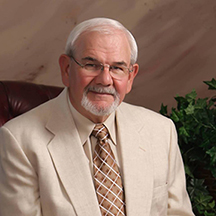
Rev. Don Campbell
Acts 4-6
THOUGHT FOR TODAY, NOVEMBER 17, 2019
“FIVE PRINCIPLES IN PROBLEM SOLVING
The Scriptures are not a handbook on dealing with church problems, but in Acts 6:1-7, we see five principles of problem-solving which every congregation needs to follow, not as a one-two-three-step pattern, but as principles: “But as the believers rapidly multiplied, there were rumblings of discontent. The Greek-speaking believers complained about the Hebrew-speaking believers, saying that their widows were being discriminated against in the daily distribution of food. So the Twelve called a meeting of all the believers. They said, “We apostles should spend our time teaching the word of God, not running a food program. And so, brothers, select seven men who are well respected and are full of the Spirit and wisdom. We will give them this responsibility.
Then we apostles can spend our time in prayer and teaching the word.” Everyone liked this idea, and they chose the following: Stephen (a man full of faith and the Holy Spirit), Philip, Procorus, Nicanor, Timon, Parmenas, and Nicolas of Antioch (an earlier convert to the Jewish faith). These seven were presented to the apostles, who prayed for them as they laid their hands on them” (NLT).
Principle one: The apostles validated the problem (Acts 6:2). Sometimes leaders ignore problems, or they acknowledge the problem but brand those who raise the issue as troublemakers. In validating the problem, the apostles did not retreat behind closed doors to formulate a plan and then exit to dictate every phase of the solution, which leads to the second principle.
The apostles gave the needed direction (Acts 6:3). The other side of the problem of micro-managing by leaders is a Laissez-faire approach in which leaders ignore the smoke until the fire is raging. We recall from chapter four that various ones had been selling property and laying it had the feet of the apostles (4:32-37). As the number of the disciples multiplied the apostle could not devote themselves to the preaching of the word as Christ had commissioned them. They were saying, in effect, “We recognize that there is a legitimate problem and we need your help.”
Principle number three: The apostles delegated the work to others (Acts 6:3). They did not handpick those who would serve but wisely assigned this role to the body. Some elderships believe that they have delegated when they go behind closed doors, make a decision, come out and say, for example, “We have decided that deacon Jones will be responsible for making sure adequate toilet tissue is on hand. He will purchase 12 rolls at a time at Walmart. He will purchase Charmin, not Cottonelle or Quilted Northern.” Hyperbole. Yes, but perhaps not so much as one might think.
Principle number four: The work was coordinated Acts 6:4). The 12 would devote themselves to the ministry of the word, and the seven would administer the benevolent program. It was not that the apostles considered themselves above serving tables, but it would have been a waste of manpower and resources. At this early point, only the apostles were inspired to preach the word. Using naturally acquired gifts, the seven could care for the good ministry. This was about to change, as two of these, Stephen and Philip, are soon preaching the word.
Principle number five: Finally, there was commitment, as all committed themselves to the plan (Acts 6:5). Without commitment to a plan, it will end up in file 13, having wasted even the effort that went into the planning.
CONNECTIONS
1. I believe it was the late Ira North who said, “Organization makes water flow uphill.” Is there an issue in the congregation where you worship that needs to be brought to the attention of the leaders?
2. If you are a leader, are you following the five principles?
