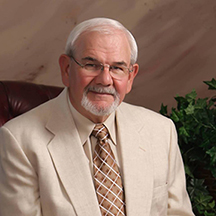
Rev. Don Campbell
Leviticus 26-27
THOUGHT FOR TODAY, FEBRUARY 22, 2019
GOD’S LOVE IS UNCONDITIONAL
It is sometimes said, “No matter what we do, God accepts us because his love is unconditional.” God’s love is not predicated on anything we are, have done, or will do: “In this the love of God was made manifest among us, that God sent his only Son into the world, so that we might live through him. In this is love, not that we have loved God but that he loved us and sent his Son to be the propitiation for our sins” (1 John 4:9-10). God’s love and God’s acceptance are two different things as we see in today’s reading.
Four times in chapter 26 God gave an “If-then” rule, meaning “If you do this, I will do that” (vv.3-4, 14-16, 23-24, 27-28). They can all be summed up as “If you obey me, I will bless you; if you disobey me, I will punish you.”
Things did not change when God sent his Son into the world to save the world. We begin with that most famous verse, John 3:16: “For God so loved the world that he gave his only Son, that whoever believes in him should not perish but have eternal life.” God’s love was unconditional, but eternal life is conditional upon belief.
Jesus said to those Jews who believed on him, “If you abide in my word, [then] you are truly my disciples” (John 8:31). The word “then” is implied.
John wrote, “He is the propitiation for our sins, and not for ours only but also for the sins of the whole world. And by this we know that we have come to know him, if we keep his commandments” (1 John 2:2-3). It does not damage to the passage to paraphrase it: “If we keep his commandments then we know we have come to know him.”
God does not stop loving us if we stop believing and obeying; if he did, it would not pain him when we turn from him. Twice Jesus demonstrated how a rejection of God’s love for Jerusalem resulting in grief for God: “O Jerusalem, Jerusalem, the city that kills the prophets and stones those who are sent to it! How often would I have gathered your children together as a hen gathers her brood under her wings, and you were not willing! Behold, your house is forsaken. And I tell you, you will not see me until you say, ‘Blessed is he who comes in the name of the Lord!’” (Luke 13:34-35). “And when he drew near and saw the city, he wept over it, saying, “Would that you, even you, had known on this day the things that make for peace! But now they are hidden from your eyes” (Luke 19:41-42).
God’s if-then promise of punishment ought to motivate us, but his if-then promise of a blessing for obeying ought to move us more. One will do for love what one will not do for law. “If you love me, you will keep my commandments” (John 14:15).
CONNECTIONS Hebrews 28-29 – Hosea 2:2
1. The writer of Hebrews said, “Anyone who has set aside the law of Moses dies without mercy on the evidence of two or three witnesses. How much worse punishment, do you think, will be deserved by the one who has trampled underfoot the Son of God, and has profaned the blood of the covenant by which he was sanctified, and has outraged the Spirit of grace?” (vv.28-29). Considering this, which is worse 1) to sin against God’s law, or 2) sin against God’s love?
2. God’s Word Version translates Hosea 2:2: “Plead with your mother; plead with her. She no longer acts like my wife. She no longer treats me like her husband. Tell her to stop acting like a prostitute. Tell her to remove the lovers from between her breasts.” How does this graphic comparison of comparing God’s people to an adulterous wife give us a sense of the pain we cause God when we abandon his love?
