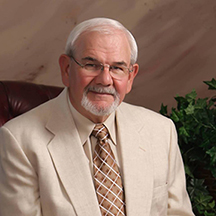
Rev. Don Campbell
Ezekiel 20-21
THOUGHT FOR TODAY, September 2, 2019
“PREACHING WITH A BROKEN HEART”
God always has a remnant, an imperfect one, but one through whom he accomplishes his purpose. In chapters 18 & 19, God has made it clear that the nation was guilty and would be punished. The righteous ones would suffer with the guilty, but they would not be guilty themselves. He reaffirms this: “The word of the LORD came to me: ‘Son of man, set your face toward Jerusalem and preach against the sanctuaries. Prophesy against the land of Israel and say to the land of Israel, Thus says the LORD: Behold, I am against you and will draw my sword from its sheath and will cut off from you both righteous and wicked. Because I will cut off from you both righteous and wicked, therefore my sword shall be drawn from its sheath against all flesh from south to north. And all flesh shall know that I am the LORD. I have drawn my sword from its sheath; it shall not be sheathed again’” (Ezekiel 21:1-5).
Ezekiel would take no pleasure in announcing the coming judgment: “As for you, son of man, groan; with breaking heart and bitter grief, groan before their eyes. And when they say to you, ‘Why do you groan?’ you shall say, ‘Because of the news that it is coming. Every heart will melt, and all hands will be feeble; every spirit will faint, and all knees will be weak as water. Behold, it is coming, and it will be fulfilled,’ declares the Lord GOD” (Ezekiel 21:6-7).
God did not say that Ezekiel should have a bitter heart, but a broken heart, broken by grief for those against whom he had to testify. This brings to mind a story—whether factual or fictional, I know not—which illustrates this truth. A believer invited his neighbor to attend services with him. The preacher delivered a scathing, hell-fire-and-brimstone sermon. The man’s neighbor left, saying he would never darken the door of that building again. Time went on and he finally persuaded his offended friend to give the church one more chance. At the end of the sermon, when the invitation song was sung, the man responded and obeyed the gospel. Glad, but somewhat puzzled, the believer said to his new brother: “The last time you came you vowed never to come again. Thankfully you did come again, but I’m curious. Both preachers used the same text and made the same points, but one made you angry and the other converted you; what was different?” The new convert replied, “The first man told me I was going to hell and it sounded as if he was glad. The second told me I was going to hell and it sounded as if it broke his heart.”
Ezekiel’s listeners were not converted by his broken heart, but their blood was on their own heads (Ezekiel 2:16-21). When we fail to speak the truth, the blood of the listeners is on our hands. When we angerly speak the truth in such a way as to drive people away, their blood is on both of us.
CONNECTIONS
1. Although the methodology of the studies may have been flawed, the accepted formula for years has been that only seven percent of communication is through the spoken word. We don’t have to accept what is known as the 70-23-7 formula to know that posture and tone of voice play a big role in effective communication. Can you recall a time when you rejected the message because of the messenger’s tone of voice or body movements?
2. Can you recall a time when you were rejected because of your nonverbals?
