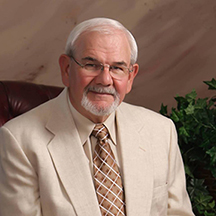
Rev. Don Campbell
Psalms 26, 40, 58, 61-62, 64
THOUGHT FOR TODAY, MAY 18, 201
“STICKS AND STONES”
My generation was taught to say when being teased or bullied, “Stick and stones may break my bones, but words can never hurt me.” Oh, but they can. When my wife and I served as houseparents for eight troubled girls, one of them had a different version: “Sticks and stones may break my bones, but words can really hurt me.” Words spoken to a child such as “You are worthless,” or “I wish you had never been born” will pierce the child’s heart and reverberate in their minds for decades if not for life.
David wrote, “O God, listen to my complaint. Protect my life from my enemies’ threats. Hide me from the plots of this evil mob, from this gang of wrongdoers. They sharpen their tongues like swords and aim their bitter words like arrows They shoot from ambush at the innocent, attacking suddenly and fearlessly” (Psalm 64:2-4, NLT).
No better commentary could be made on this passage than that of James, the Lord’s brother: “So also the tongue is a small member, yet it boasts of great things. How great a forest is set ablaze by such a small fire! And the tongue is a fire, a world of unrighteousness. The tongue is set among our members, staining the whole body, setting on fire the entire course of life, and set on fire by hell.
For every kind of beast and bird, of reptile and sea creature, can be tamed and has been tamed by mankind, but no human being can tame the tongue. It is a restless evil, full of deadly poison. With it we bless our Lord and Father, and with it we curse people who are made in the likeness of God. From the same mouth come blessing and cursing. My brothers, these things ought not to be so. Does a spring pour forth from the same opening both fresh and salt water? Can a fig tree, my brothers, bear olives, or a grapevine produce figs? Neither can a salt pond yield fresh water” (James 3:5-12).
Sometimes people who pride themselves on swinging a spiritual sword are really hacking away at brothers and sisters in Christ with a machete, and those who pride themselves on “telling it like it is,” are really attacking fragile saints with barbed arrows. David would lay his case before God, saying “Vindicate me, O Lord” (Psalm 26:1). He would also pray, “When he aims his arrows, let them be blunted” (Psalm 58:7). David would also ask God’s help that he might rise above it all, put his trust in the Lord rather than in a tit-for-tat exchange of verbal arrows: “Lead me to the rock that is higher than I, for you have been my refuge, a strong tower against the enemy” (Psalm 61:2-3). David would also remind us that the power belongs to God (Psalm 6 2:11).
CONNECTIONS
1. What is the most hurtful thing that has been said to you? Whatever it was, God can blunt the arrows and vindicate you if you will take refuge in him.
2. What is the most hurtful thing you have said to another? Have you made every effort to seek forgiveness—both from the person you wronged and from their God and your God?
